
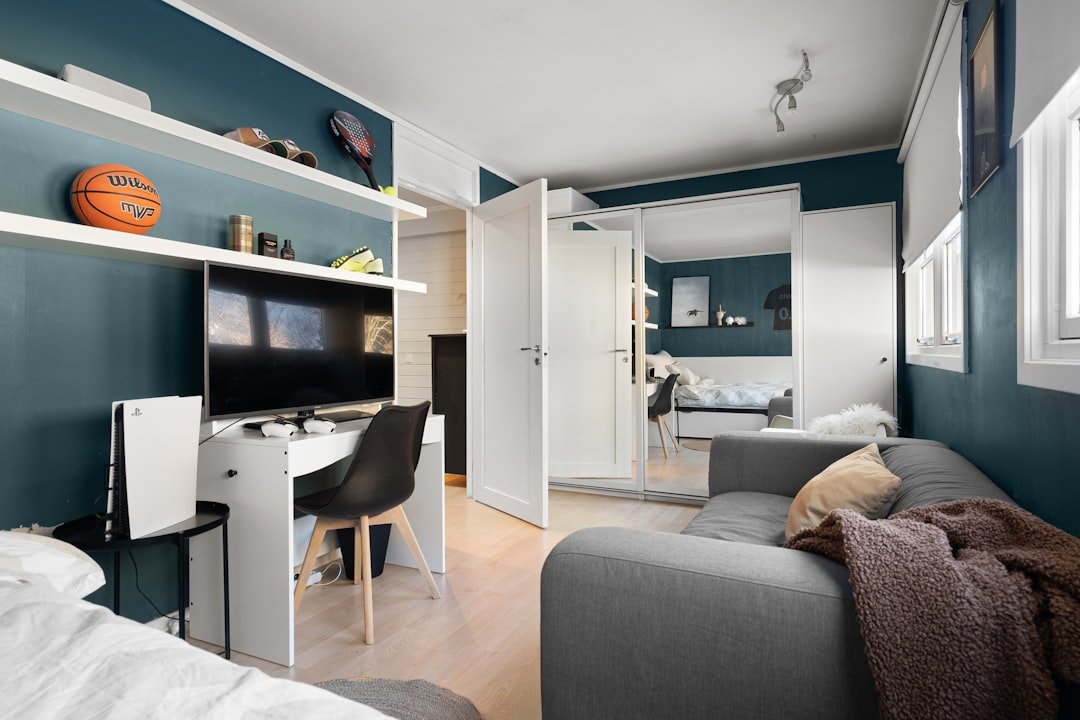
Finding a place to live in Edinburgh as an Indian student is manageable once you know the actual rules and realistic numbers, rather than whatever a senior told you two years ago when rents were different. One thing upfront: exact rent figures move constantly, so treat every number below as a rough band from the most recent data I could find, not a quote. For a broader first-week checklist, see our Indian Student First Week in Scotland guide.
Student Halls vs Private Rent
Student halls (university-managed, such as Pollock Halls for University of Edinburgh students) are the easiest first-year option - furnished, often bills-included, and a fast way to meet people. Roughly expect £130-£330 a week depending on room type and whether it is catered, which works out to somewhere around £550-£1,400 a month - a wide range because it spans everything from a shared-bathroom room to a catered en-suite. Pros: no separate deposit scheme to navigate, no council tax hassle, quick to arrange. Cons: less choice over location, shared facilities, and popular halls fill up if you apply late.
Private rent is where most students move from second year onward. Costs vary a lot by area and flat size, but expect a room in a shared flat to run somewhere in the £500-£750 a month range plus bills, based on recent UK student accommodation survey data, with Edinburgh consistently among the pricier Scottish cities. A self-contained one-bed flat costs meaningfully more. Pros: choice of area and flatmates, generally cheaper per person if you share well. Cons: you handle bills and a contract yourself, and you will likely need a guarantor (more on that below).
Private rent is where most students move from second year onward. Costs vary a lot by area and flat size, but expect a room in a shared flat to run somewhere in the £500-£750 a month range plus bills, based on recent UK student accommodation survey data, with Edinburgh consistently among the pricier Scottish cities. A self-contained one-bed flat costs meaningfully more. Pros: choice of area and flatmates, generally cheaper per person if you share well. Cons: you handle bills and a contract yourself, and you will likely need a guarantor (more on that below).
Areas Students Actually Live In
Newington and the Southside (around Nicolson Street, Causewayside, and Minto Street) is the most popular area for students at the University of Edinburgh's main campus, simply because it is walking distance to George Square. For groceries, Maqbool's at 36 Potterrow, just off Nicolson Street, stocks South Asian spices, rice, and halal meat, and the wider Nicolson Street/Potterrow cluster has several halal butchers and Pakistani/Indian restaurants - see our halal food guide. For the larger dedicated Indian supermarkets, Krishna Foods and Spice of Asia, you are looking at a bus ride out to Gorgie Road rather than a shop on your doorstep - see our Indian grocery shopping guide for the full list.
Marchmont and Bruntsfield are leafy, mostly Victorian tenement areas a short walk south of the Meadows, popular with postgraduates who want a quieter street than the Southside, at a broadly similar or slightly higher price point.
Leith is further out - expect a 20-30 minute bus into campus - but tends to be cheaper per room, with its own strong food and nightlife scene near the water. It suits students who do not mind the commute in exchange for more space.
I am deliberately not giving a precise per-area rent figure here - it genuinely shifts by month and by street, so check SpareRoom's live listings for what an area is actually asking right now rather than trusting any guide, including this one, to have last month's number right.
Marchmont and Bruntsfield are leafy, mostly Victorian tenement areas a short walk south of the Meadows, popular with postgraduates who want a quieter street than the Southside, at a broadly similar or slightly higher price point.
Leith is further out - expect a 20-30 minute bus into campus - but tends to be cheaper per room, with its own strong food and nightlife scene near the water. It suits students who do not mind the commute in exchange for more space.
I am deliberately not giving a precise per-area rent figure here - it genuinely shifts by month and by street, so check SpareRoom's live listings for what an area is actually asking right now rather than trusting any guide, including this one, to have last month's number right.
What Rent Actually Looks Like Right Now
National student accommodation surveys put Scotland's average student rent at a little over £650 a month, with Edinburgh running above that national figure since it is one of the more expensive UK student cities. In practice, expect somewhere around £500-£750 a month for a room in a shared private flat (bills usually extra), and meaningfully more for a self-contained one-bed or purpose-built studio. Take any number here, including mine, as a starting expectation to check against live listings, not a fixed price. For the fuller monthly budget picture including food, transport, and bills, see our cost of living in Edinburgh for Indian students guide.
Finding Flatmates
SpareRoom is the UK's largest flatshare site and the best starting point - filter by area and budget and message people directly. Facebook has active, rotating groups for Edinburgh student accommodation each intake year, plus community groups for Indian students in the city; search for current ones rather than relying on a specific name here, since these groups get recreated year to year and old links go stale. The Edinburgh University Indian Society (EUSA) is also a genuine way to meet people before you commit to a lease together. If you would rather ask a person than scroll a feed, reach out to us on Plan your journey or email hello@indiansinscotland.com and we will point you in the right direction.
Deposits, Guarantors & Contracts
Edinburgh is in Scotland, which runs its own tenancy rules separate from England - do not follow England-focused advice you find online. Your deposit (typically capped at two months' rent) must be protected in one of the three government-approved Scottish schemes: SafeDeposits Scotland, Letting Protection Service Scotland, or MyDeposits Scotland. Ask which one your landlord uses and get written confirmation with the scheme reference within 30 working days of moving in - if they cannot or will not tell you, treat that as a red flag on its own.
Most private tenancies in Scotland are Private Residential Tenancies (PRTs), which have no fixed end date. As the tenant, you need to give at least 28 days' written notice to end the tenancy; your landlord needs to give you between 28 and 84 days depending on the reason, and cannot simply ask you to leave without a valid ground.
If you do not have a UK-based guarantor - most new arrivals will not - check whether your university runs its own scheme before paying for a private one. The University of Edinburgh's Rent Guarantor Scheme, run through Registry Services and the EUSA Advice Place, covers eligible students up to £1,200 a month rent where no UK guarantor is available. If your university does not offer something similar, commercial services exist (Housing Hand is the most widely used across UK universities), but they charge a fee, so compare that cost against simply finding a flatmate whose family can act as guarantor.
Before signing anything, check: rent amount and due date, what is and is not included in bills, the notice terms above, and a full inventory on move-in day. Read every line. If anything is unclear, ask your university's accommodation or advice service before you sign, not after.
Most private tenancies in Scotland are Private Residential Tenancies (PRTs), which have no fixed end date. As the tenant, you need to give at least 28 days' written notice to end the tenancy; your landlord needs to give you between 28 and 84 days depending on the reason, and cannot simply ask you to leave without a valid ground.
If you do not have a UK-based guarantor - most new arrivals will not - check whether your university runs its own scheme before paying for a private one. The University of Edinburgh's Rent Guarantor Scheme, run through Registry Services and the EUSA Advice Place, covers eligible students up to £1,200 a month rent where no UK guarantor is available. If your university does not offer something similar, commercial services exist (Housing Hand is the most widely used across UK universities), but they charge a fee, so compare that cost against simply finding a flatmate whose family can act as guarantor.
Before signing anything, check: rent amount and due date, what is and is not included in bills, the notice terms above, and a full inventory on move-in day. Read every line. If anything is unclear, ask your university's accommodation or advice service before you sign, not after.
Bills: What You Actually Pay
Full-time students are exempt from council tax in Scotland, but for a private tenancy it is not automatic - you need a certificate of student status from your university and you must submit it to the City of Edinburgh Council yourself; university halls handle this for you automatically. Gas and electricity for a shared flat commonly run somewhere in the £50-£90 a month range per person depending on the flat's insulation and how many of you are usually home, broadband is typically around £25-£30 a month split between flatmates, and water charges in Scotland are usually bundled into council tax rather than billed separately - part of why the student exemption matters. Always ask current tenants what they actually paid last winter before you commit, since a landlord's estimate and a real bill are not always the same number.
What to Ask Before You Sign
Beyond the standard checks above, a few things matter specifically if you are new to the UK and cooking Indian food regularly:
- Ask directly about kitchen ventilation - some older tenement flats have weaker extraction than you would expect, and strong cooking smells can become a real point of friction with a landlord or neighbours if there is nowhere for them to go.
- Check whether the tenancy agreement restricts certain appliances or mentions cooking smells - most do not, but do not assume.
- Ask current or former tenants, not just the landlord, about typical response times for maintenance issues like heating or hot water.
- Confirm the deposit scheme and guarantor situation (above) are sorted before you view a property, so you are not caught out at signing.
- Ask directly about kitchen ventilation - some older tenement flats have weaker extraction than you would expect, and strong cooking smells can become a real point of friction with a landlord or neighbours if there is nowhere for them to go.
- Check whether the tenancy agreement restricts certain appliances or mentions cooking smells - most do not, but do not assume.
- Ask current or former tenants, not just the landlord, about typical response times for maintenance issues like heating or hot water.
- Confirm the deposit scheme and guarantor situation (above) are sorted before you view a property, so you are not caught out at signing.
Red Flags
Be wary of:
- A landlord asking for a deposit or first month's rent before you have seen the flat, in person or via a friend viewing it for you.
- Rent noticeably below what similar rooms in the same area are asking on SpareRoom - if it looks too good to be true for the location, it usually is.
- Any request to pay via bank transfer to a personal account, or via untraceable methods, before signing anything.
- No written tenancy agreement, or a landlord who is vague about which deposit scheme they use.
- Photos that look inconsistent with the rest of the listing, or a landlord who will not do a video call when an in-person viewing is not possible.
Always view in person or have someone view on your behalf. If you are unsure about a specific listing, ask your university's accommodation team or Plan your journey before you commit.
- A landlord asking for a deposit or first month's rent before you have seen the flat, in person or via a friend viewing it for you.
- Rent noticeably below what similar rooms in the same area are asking on SpareRoom - if it looks too good to be true for the location, it usually is.
- Any request to pay via bank transfer to a personal account, or via untraceable methods, before signing anything.
- No written tenancy agreement, or a landlord who is vague about which deposit scheme they use.
- Photos that look inconsistent with the rest of the listing, or a landlord who will not do a video call when an in-person viewing is not possible.
Always view in person or have someone view on your behalf. If you are unsure about a specific listing, ask your university's accommodation team or Plan your journey before you commit.
Final Thoughts
Edinburgh housing rewards patience over speed - start looking early, use SpareRoom and your university's own guarantor and accommodation services before anything else, and get every number confirmed in writing rather than assumed. For more on settling in, read our first week in Scotland guide and cost of living breakdown.
---
Need help figuring out an area, or a ride to view a flat? Plan your journey or see our taxi and tour services.
---
Need help figuring out an area, or a ride to view a flat? Plan your journey or see our taxi and tour services.